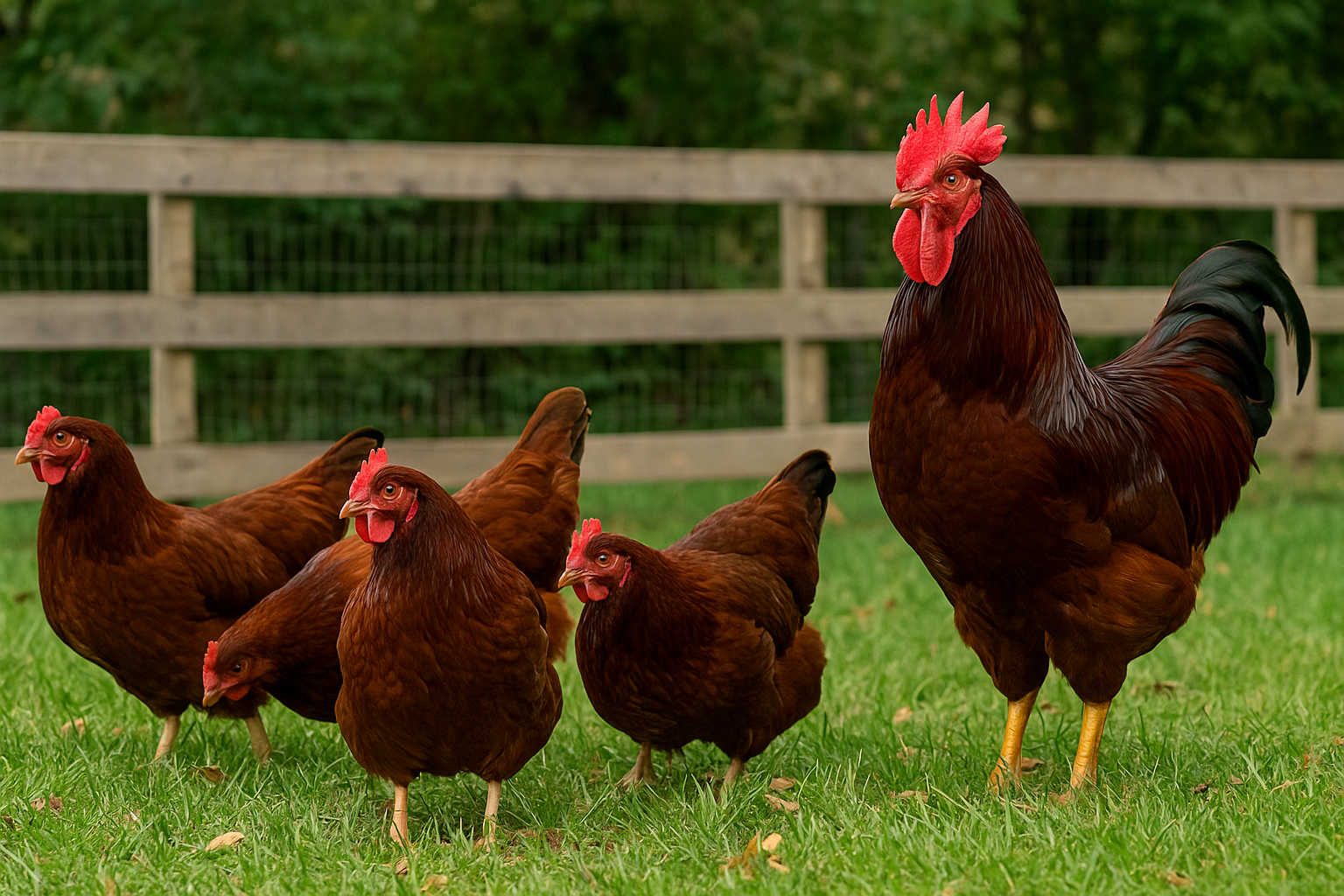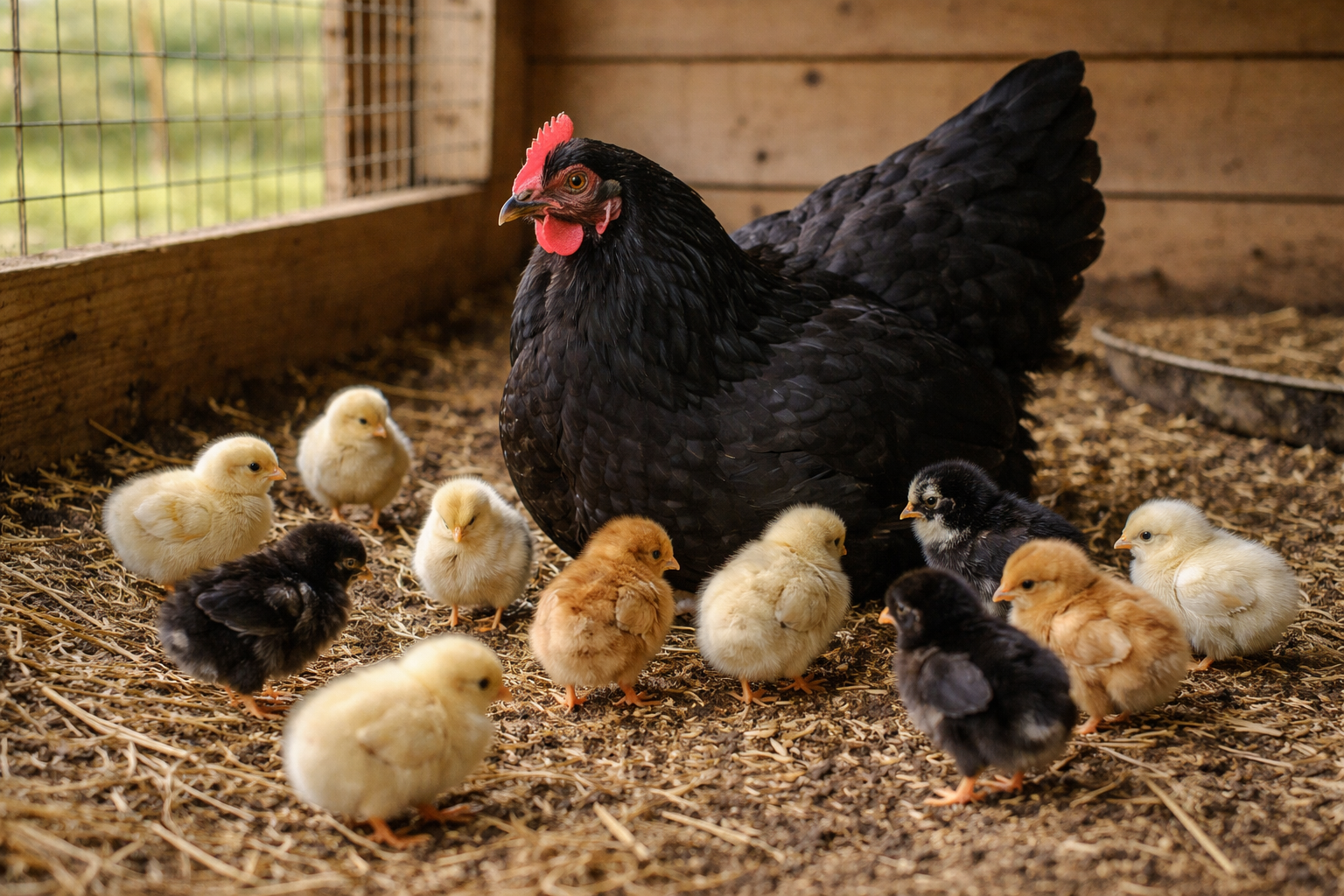

If you have just had a natural brood and find yourself dealing with a broody hen surrounded by her chicks, you might be tempted to introduce them into the common coop along with the adult chickens. However, before proceeding, it is important to carefully consider the effects of this decision on the well-being and health of the animals. Raising chicks and a broody hen with adult chickens may seem like a convenient idea, but there are several reasons why this practice should be avoided.
Why not raise hens and chicks with adult chickens
- Risk of attacks: Adult chickens can sometimes be aggressive towards chicks and their mother, the broody hen. The presence of adult chickens in the coop can endanger the safety and survival of the chicks and the broody hen herself, who, after being away from the group during the brooding days, might have trouble re-entering the group’s hierarchy. Attacks can cause serious injuries or even death to the smaller and weaker ones. In some rare cases, chicks may also be preyed upon by adult chickens or other animals in the coop, such as large turkeys.
- Competition for Food and Space: Adult chickens have different dietary and spatial needs compared to chicks. The presence of adult chickens in the coop can lead to competition for food and space, with adult chickens dominating the available resources, leaving chicks with limited access to essential food and water for their healthy growth and development. Additionally, drinkers and feeders designed for adult chickens may be inaccessible to chicks, who risk starving.

- Spread of Diseases: This is probably the best reason not to raise chicks and adult chickens together. Adult chickens can transmit diseases to chicks and the broody hen. Being more resistant to diseases due to their age and more developed immune system, adult chickens can act as carriers of pathogens without showing obvious symptoms. This increases the risk of spreading diseases and parasites among the animals in the coop (such as coccidiosis and worm infestations), endangering the health of the entire group. Chicks exposed to large amounts of pathogens would risk dying en masse.
- Stress and Abnormal Behaviors: The presence of adult chickens can cause stress to the broody hen and chicks, leading them to abnormal behaviors such as isolation, aggression, or depression. Stressed animals are more susceptible to diseases and injuries, compromising their overall well-being. Under stress conditions, pica can also develop more easily, a behavioral disorder that starts with feather pecking (where chickens start feeding on their companions’ feathers) and can end with cannibalism.
What to do then? You can, for example, raise the broody hen and chicks separately in a separate enclosure or a large cage, so that the animals are always protected from dangers. The broody hen can be reintroduced into the main coop one month after the chicks are born, while the chicks can be joined with the adult group around 3 months of age. If possible, try to give them access for some time to a pasture area where adult chickens have not been present for a while: this way, the chicks will be gradually exposed to parasites and will develop a robust immune system.

Raising chickens and building a coop can be a truly rewarding activity, allowing you to interact with extremely friendly and entertaining animals, while also collecting excellent eggs for your kitchen. There are many other aspects we have already discussed on our blog, from the molting of chickens to managing the coop in summer or during the cold winter months, so we also refer you to our previous articles. Do not forget that Novital is by your side every day in raising chickens and building a successful coop, offering you reliable products, technical support, and knowledge. In particular, you should try our incubators to hatch many chicks and our lines of feeders and drinkers designed specifically for the first days of these animals’ lives. Happy breeding and see you soon!