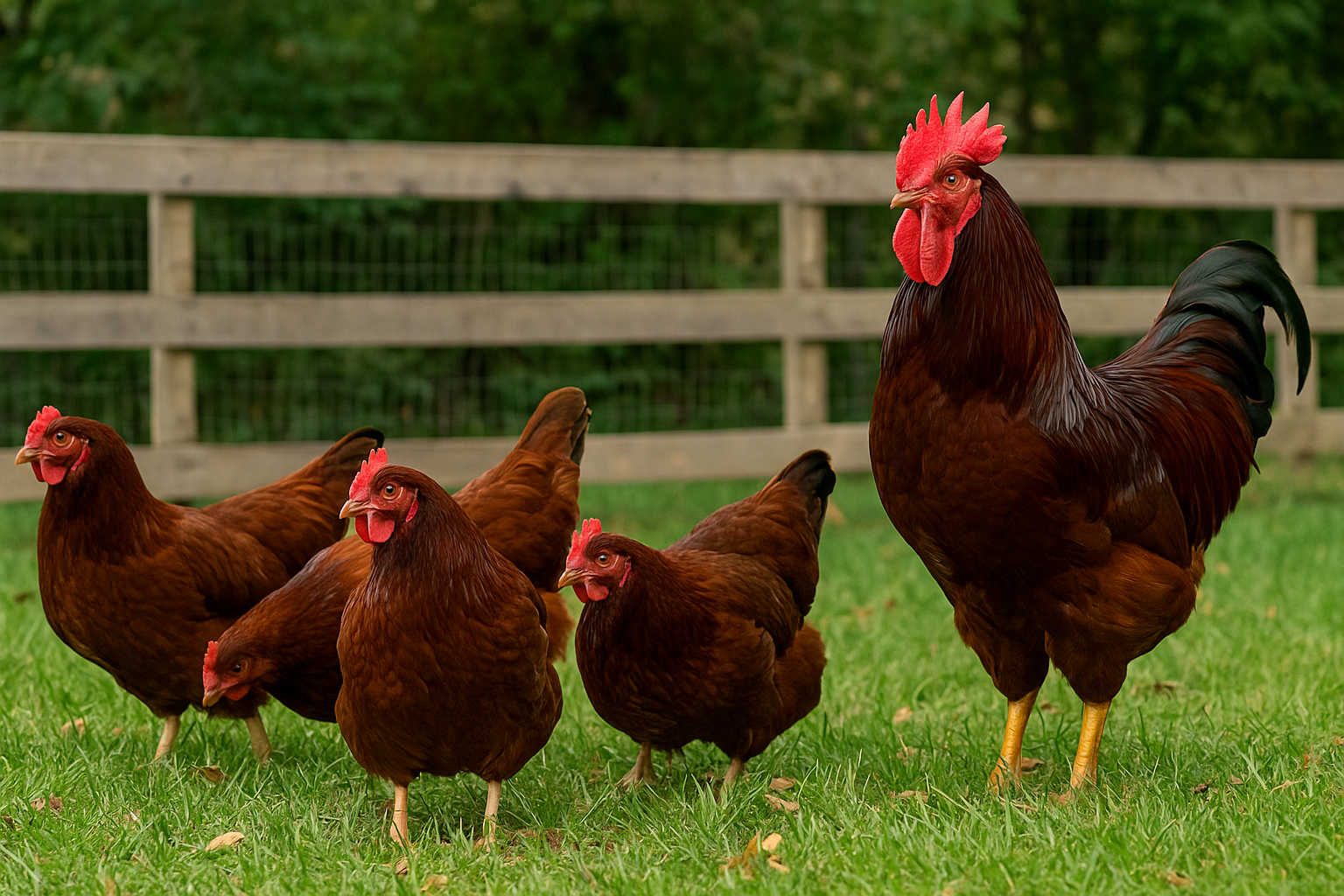
Managing the chicken coop in the best possible way in summer can not be a simple thing. If you live in a region where temperatures are very high in summer, chickens and other poultry may show the first signs of overheating.
Let’s remember that chickens have a very different organism from ours: their body temperature is close to 40°C, the heart beats from 280 to 315 times a minute and these animals do not have sweating poles, so they cannot cool the body surface by sweating. It may therefore happen to see our animals with spread wings, while panting with their beaks open. These are strategies that chickens put in place to decrease their body temperature.
But if this were to rise too much, these stratagems would have very little effectiveness and our animals in some cases could die of heat stroke, especially those belonging to a meat breed or in any case very fat subjects. It is up to us to try to help our poultry so that they do not have to suffer from excessive heat. So here are 11 tips on how to best manage chickens and chicken coops in summer, to ensure that these months are bearable for our pets too!

Garantiamo sempre ai nostri animali ampie zone d’ombra, magari sotto alberi e cespugli.
- Always ensure areas of dense shade in the chicken coop in summer. Chickens will love shaded areas to take refuge in. Leaving them in the sun during the hottest hours of the day can mean the death of the animals. A low wooden canopy, or better still a series of dense bushes, will provide your chickens with refreshing resting areas in summer.
- Fresh, clean drinking water is guaranteed. Be very careful with the water intended for your pets. In the chicken coop in summer, it is better to place the drinking troughs in a shady corner, even facing north, and renew the drinking water often. Do not allow it to overheat. In case of exceptional heat waves, melt ice cubes in water.
- Offer a high-fiber food to chickens in summer. Foods rich in fiber, such as bran, apples, pears, cabbage, fennel, plums, push animals to eat less and drink more, allowing them to hydrate better.
- Limit corn and foods that are too rich in water. Corn, with its long digestion times, can contribute to overheating animals. Foods very rich in water, such as melons or watermelons, can cause dysentery in some cases.
- Give your chickens a few “little helps.” Adding electrolytes, probiotics and vitamin B to animal rations can be beneficial during the hottest times of the year. Always add apple cider vinegar to the drinking water, one tablespoon every 3 liters.
- Add a shallow tub of water for bathing. If it is very hot, the chickens will gladly stay with their paws soaking in the water, or they will wet their skin and plumage. The water, evaporating, will refresh them. You can also gently wet your pets using a rubber hose with a sprayer.
- Give them space for the earth bath. Chickens love to take earth baths to eliminate ectoparasites such as pollen lice, but if you place the area intended for earth baths under some bushes, in the shade, the animals will refresh themselves considerably through this activity. You can also wet the area of soil in question.
- Don’t overcrowd the coop in summer. Overcrowding leads animals to move more, to interact often stormily and to overheat.
- Keep the coop cool. Avoid building chicken coops in metal materials, they will turn into ovens in summer. Create a draught by adding a grilled window in the night shelter. Place the window on the wall opposite the front door, near the ceiling: warm air accumulates in the upper part of the shelter.
- Keep the coop clean. Eliminate litter and animal feces frequently: in the chicken coop in summer, fly infestations can form very quickly. Also watch out for invasions of red mites (dermanissi), to be countered promptly, which can become a nightmare in the hot months.
- Offer the chickens a block of ice. Cut zucchini, cabbage, onions, apples, plums and other fruit into slices or cubes. Put them in an ice cream container and fill it with water. Place everything in the freezer for a day and offer the ice block with fruits and vegetables inside to your chickens. The animals will happily peck at him, cooling off.

Mangiatoie e abbeveratoi a tramoggia o sifone sono ottimi, ma vanno tenuti sempre all’ombra.
Questi erano i nostri 11 consigli sulla gestione del pollaio in estate. Novital vi resta accanto anche nei mesi più caldi dell’anno, con la sua linea di prodotti pensati per il benessere degli avicoli. Non dimenticate di prendervi cura dei vostri animali, in attesa che tornino giornate più fresche!