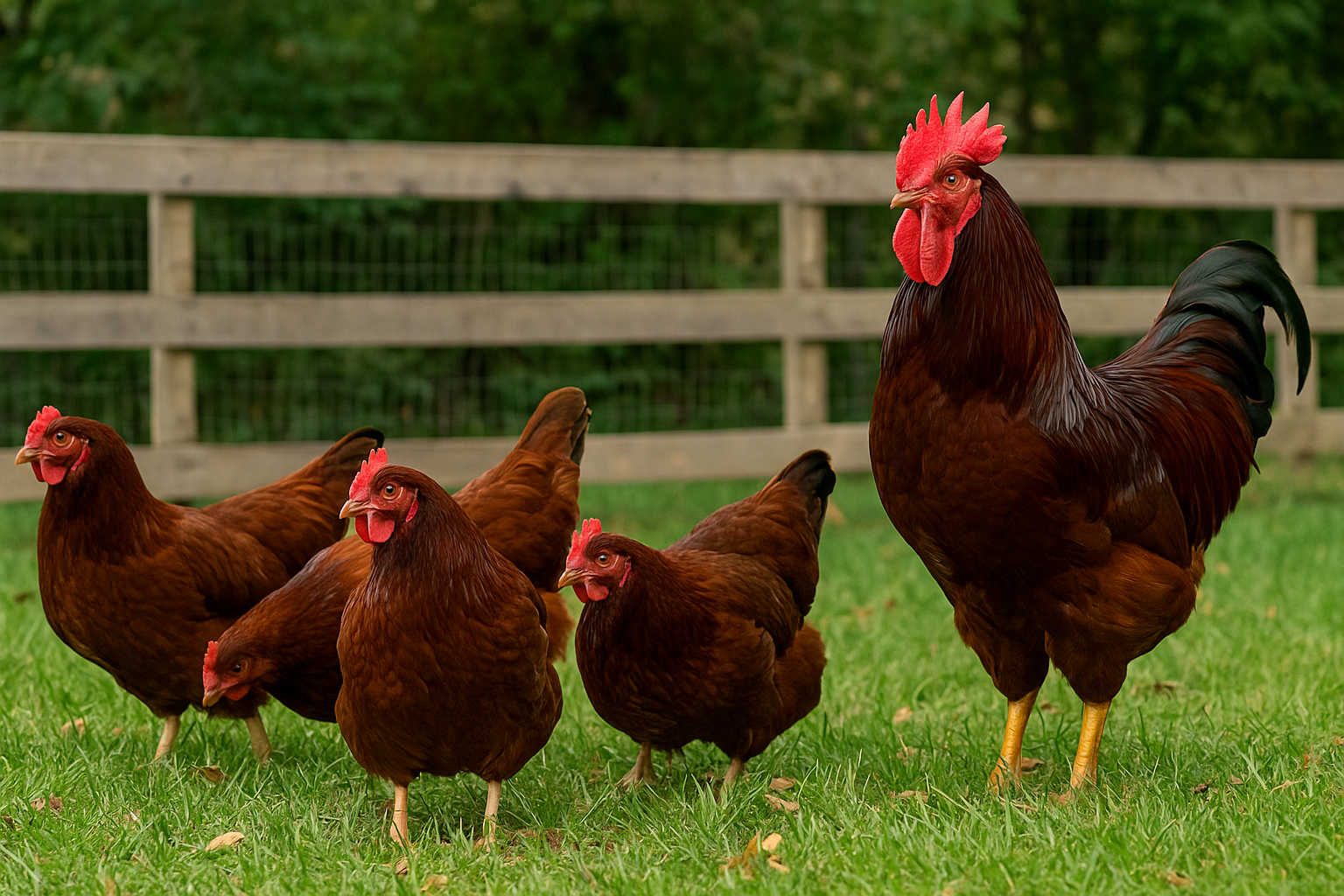
In the fascinating world of chickens, there is a subtle but significant hierarchy that regulates the behavior of every animal within the group. The social dynamics among chickens are governed by a hierarchical scale that directly influences many aspects of their daily lives, including the important moment of feeding. In this article, we will discuss the pecking order among hens in the coop, analyze the existing hierarchy among chickens, and look at its impact on the health and well-being of the animals.
Hierarchy in the coop: dominant and submissive
Within the coop, a social hierarchy naturally emerges where some individuals dominate others. Chickens are indeed animals with complex social behavior; they gather in groups (called flocks) in which individual members can recognize up to a hundred individuals (and interact with them correctly). This hierarchy is based on a combination of factors such as physical strength, sex, age, familiarity with the group, and temperament. Dominant chickens are often the largest, oldest, or most aggressive in the group. Submissive chickens are those that occupy lower positions on the social scale.
The pecking order: a crucial aspect of the hierarchy
The pecking order, or the sequence in which chickens eat, is closely linked to the social hierarchy in the coop. Dominant males and females have the privilege of eating first, followed by those who are next on the hierarchical scale, and so on down to the chickens at the bottom. This behavior is essential for maintaining order and peace in the coop, as it avoids constant conflicts and clashes between individuals over resources.

Importance of the pecking order
The pecking order is not just a social practice; it also has a significant impact on the health and well-being of the hens. Dominant chickens have access to better nutrition and a greater amount of food, which can positively influence their growth and egg production. On the other hand, more submissive chickens may be forced to eat leftovers or compete for food, which could cause stress and malnutrition.
Coop management strategies to promote a balanced pecking order
To ensure a harmonious environment in the coop and an equitable distribution of food, it is important to adopt some management strategies:
- Provide multiple feeding points: Ensure there are enough food sources in the coop so that all chickens have access to sufficient amounts of feed without having to compete excessively.
- Monitoring feeding behavior: Carefully observe the feeding behavior of the chickens to identify any situations of dominance and submission and intervene if necessary to ensure balance.
- Promote physical exercise: Offer open spaces and access to pastures to encourage physical exercise among the chickens, thereby reducing tension and stress in the coop and limiting the risk of repeated bullying toward submissive subjects.
- Timely interventions: If signs of stress or malnutrition are observed in chickens lower on the hierarchical scale, it is important to intervene promptly by providing supplemental food or separating problematic individuals from the main group.

In conclusione, l’ordine di beccata tra i polli nel pollaio riflette la complessa gerarchia sociale esistente tra gli individui. La comprensione di questo sistema e l’adozione di adeguate strategie di gestione sono fondamentali per garantire il benessere e la prosperità dello stormo nel suo complesso. Ricorda che Novital ti viene incontro, producendo un’ampia selezione di mangiatoie, abbeveratoi, nidi e altro materiale per l’allevamento dei tuoi avicoli che ti permetteranno di tenere al meglio i tuoi animali. Buon allevamento!