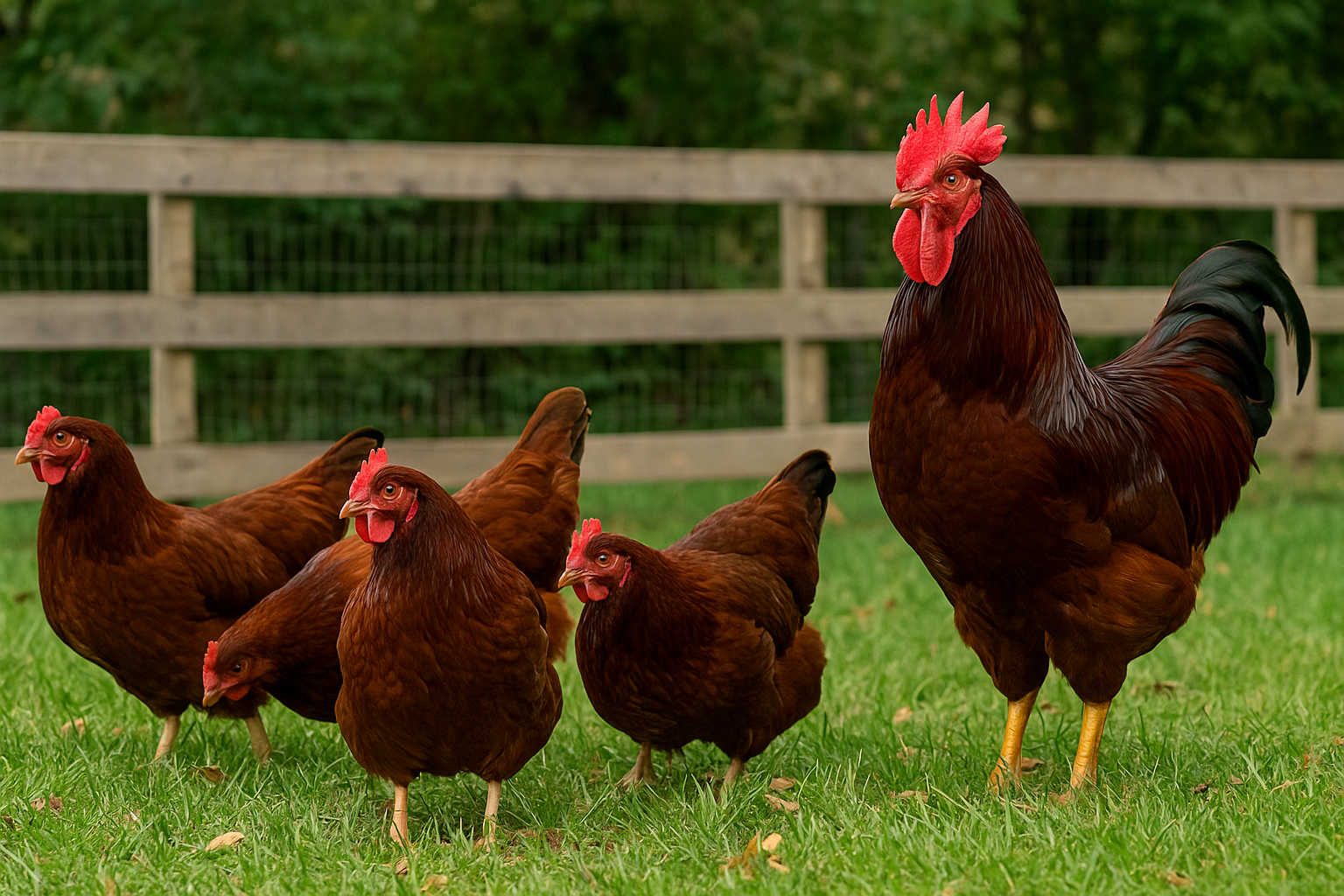
The artificial incubation of chicken eggs is a necessary practice for anyone who wants to raise chickens, especially those breeds that do not normally hatch, by giving birth to them in a controlled and safe way. Thanks to modern incubators you can achieve high hatching rates even without the presence of a hen. In this complete guide you will see how artificial incubation works, what are the parameters to be respected, the mistakes to avoid and how the Novital incubators of the COVATUTTO line can help you succeed in hatching your chicks.
What is artificial incubation?
Artificial incubation of chicken eggs is the process that mechanically simulates the natural conditions necessary for chicks to hatch. This is done by using an incubator, a device that can maintain constant temperature, humidity and ventilation.
The fundamental parameters for incubation
- Temperature: it must be kept constant around 37.8°C. Variations that are too high around this value can impair embryonic development. One or two tenths of a degree of difference is tolerable but this will result in a delay or an advance in hatching.
- Humidity: in the first 18 days it is advisable to keep it between 45% and 55%. In the last three days (hatching phase), it should be increased to 65-70%.
- Ventilation: in ventilated models, air must circulate to ensure the presence of oxygen and the elimination of carbon dioxide.
- Egg rotation: Eggs should be turned at least 2 times a day (in manual incubators) to prevent the embryo from sticking to the shell. Automatic incubators typically turn eggs 6 to 12 times a day depending on the model.

Choosing the right incubator For the best result, it’s important to choose the incubator that best suits your needs. Incubators are divided into:
- Manual: they require the intervention of the operator to turn the eggs.
- Semi-automatic: they facilitate the turning of the eggs by means of an external knob.
- Automatic: they independently manage temperature, humidity and rotation.
If you’re a hobbyist with a few eggs and the time to manually care for your brood, a manual model may be fine. For more experienced breeders or with larger productions, it is better to opt for automatic models with digital control. On the other hand, depending on the temperature of the incubation room, it will be worth considering whether to buy an insulated machine or not.

Incubation phases
- Pre-incubation: check that the eggs are fresh (maximum 7 days from laying) and intact. Dry clean them gently only if necessary. Store them vertically in a cool room with the tip down until ready to incubate.
- Actual incubation: Place the eggs in the incubator and monitor the parameters every day.
- Candling (day 7 and 14): with a small egg hoper or with the flashlight of the mobile phone, check for the presence of the embryo and discard the clear eggs or those with dead embryos.
- Days 18-21: Stop turning the eggs, increase the humidity and prepare for hatching.
The candling of eggs
Before starting artificial incubation, and then twice more during the incubation process, the candling of the eggs must be carried out. The candling process is extremely simple and can also be done with the flashlight of your smartphone. In this video, here’s how to go about it:
Common mistakes to avoid
- Open the incubator often: the more the internal parameters change, the more likely it is that some eggs will not hatch.
- Touching the eggs with dirty hands: it could contaminate them with bacteria that could then penetrate the eggs through the shell with disastrous results.
- Do not control the parameters with reliable instruments: you may incubate at humidity or temperature that is incompatible with the required parameters.
- Use old or poorly stored eggs: the embryos may die en masse in the first days of incubation.

For over 40 years, Novital has been providing you with its experience in the production of reliable incubators. Artificial incubation requires attention and care, but with the right tools, excellent results can be achieved and we will be at your disposal to help you along the way. With a good incubator and following the good practices described above, you can give birth to healthy and strong chicks. Visit our store to discover our complete range of incubators!