
What are the 5 most frequent mistakes that novice poultry farmers make in the chicken coop?
Managing a home chicken coop requires attention, organization and daily care. Often, especially for those just starting out, mistakes can be made that compromise the welfare of the animals and the productivity of the hens, resulting in a decrease in the number of eggs laid. In this article, we will see the 5 most common mistakes in chicken coop management and how to avoid them thanks to good practices and the right tools.
1. Poor ventilation of the chicken coop
One of the most underestimated mistakes concerns ventilation. A well-ventilated chicken coop is crucial for preventing the formation of moisture, mold and ammonia buildup. Stagnant air can cause respiratory illness, stress, and decreased egg production. In addition, the accumulation of ammonia gas fumes can lead to a slowdown or even a stop in the growth of the young.
Make sure that the chicken coop has windows or vents protected by anti-predator net. Bottom-hung windows are perfect because they avoid large drafts close to sleeping animals. In the winter months, avoid sealing everything tightly: better a little cold with clean air than warm and stagnant humidity.
2. Sporadic or insufficient litter box cleaning
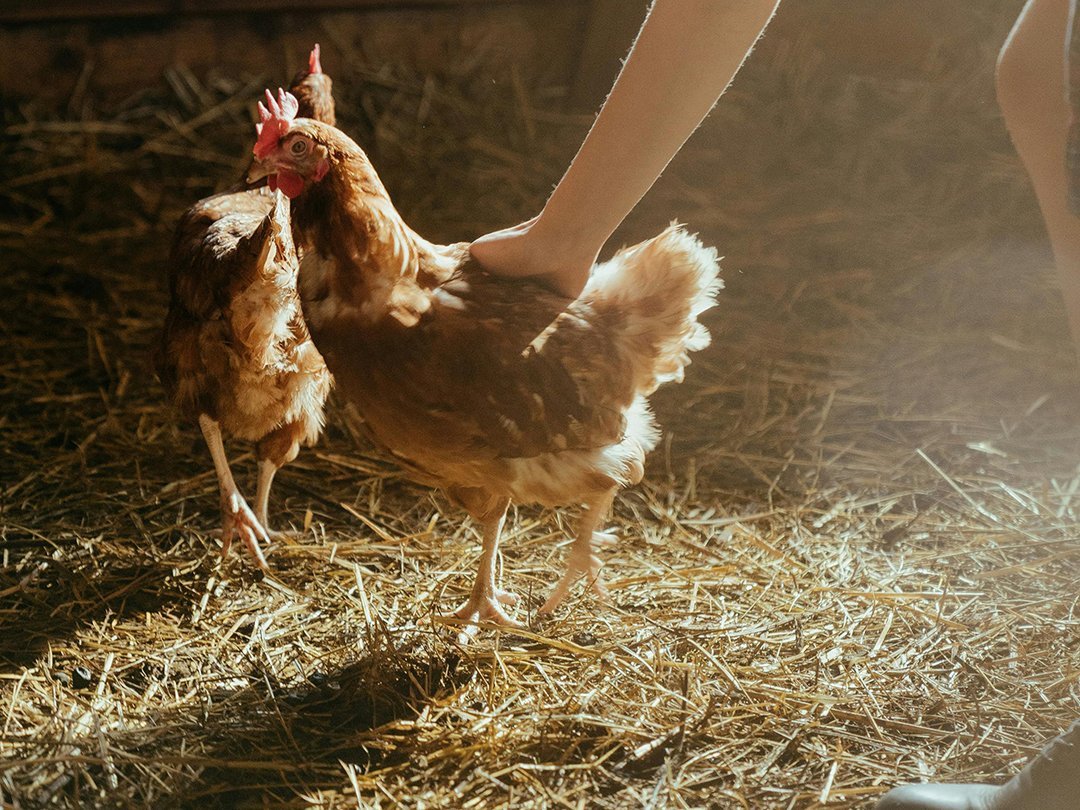
Cleaning the chicken coop is not an activity to be done every now and then, but it must be done and scheduled regularly to prevent the proliferation of parasites and bacteria. Dirty bedding leads to bad smells, health risks and increases stress for chickens.
Then use absorbent bedding (straw, wood chips, hemp) and remove the dirtiest surface part weekly, raking up fallen feathers and feathers. Every month, perform a complete cleaning and disinfect the walls and bottom of the coop with products that are not harmful to the health of the animals.
3. Unbalanced power supply
Providing only grains or kitchen scraps may not be enough. You may think that offering raw grains and legumes is healthier than offering ready-to-eat feed, but this is not the case and leads to dietary imbalances. Chickens need a balanced diet to produce eggs regularly and stay healthy.
Then opt for complete feeds formulated for the age and type of animals you raise: first or second period, feed for layers or maintenance. Supplement with fresh vegetables, calcium (chopped eggshells or grit), and consistent access to clean, fresh water.
4. Inadequate lighting
Egg production is heavily influenced by light. In winter, when the hours of natural light decrease, hens tend to reduce or stop laying, even in conjunction with moulting.
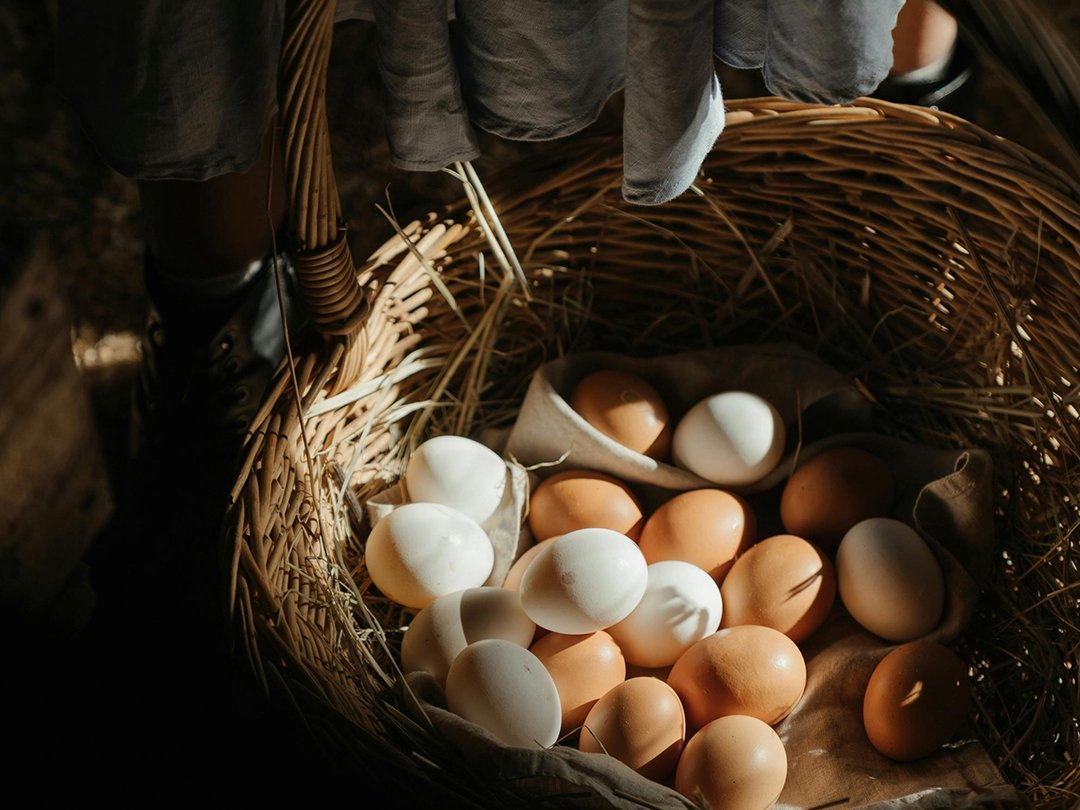
You can therefore install a low-consumption artificial light with a timer, which turns on a few hours before sunrise and turns off an hour after sunrise, in order to guarantee at least 14-16 hours of total light per day. This is the production of eggs even in the cold months.
5. Chicken coop not safe against predators
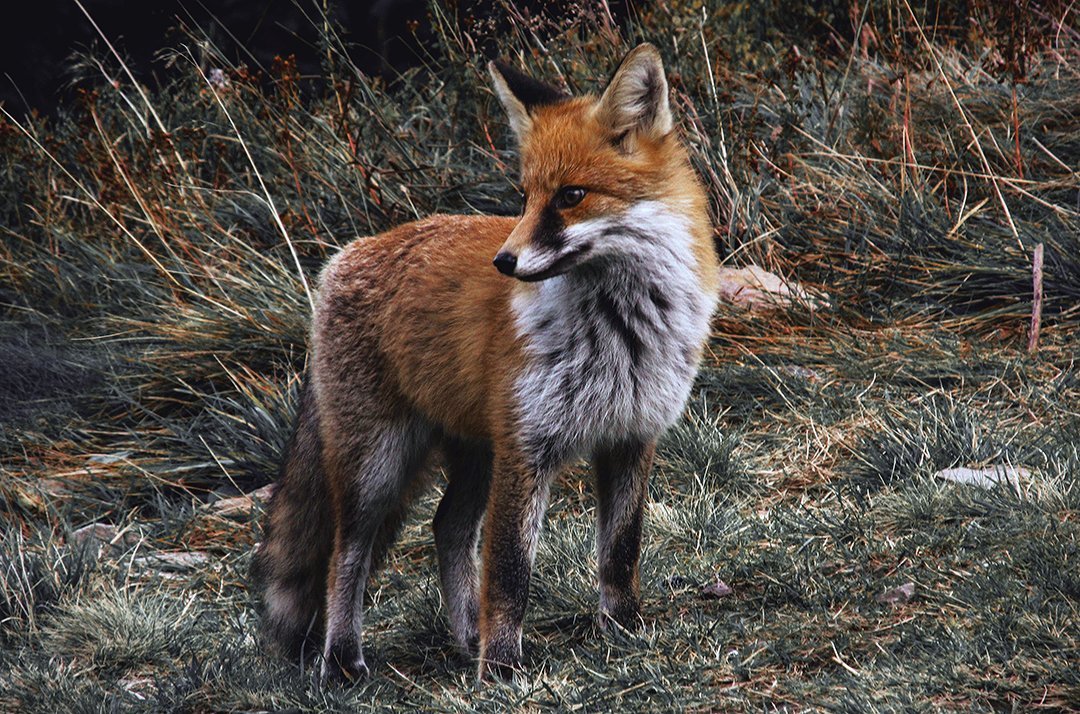
Foxes, martens, rats, and other animals can pose a threat to chickens, especially at night. An insufficiently protected chicken coop puts the entire farm at risk. A young fox or dog entered the enclosure to exterminate the entire henhouse.
Use sturdy galvanized netting, self-closing chicken coop doors, and make a fence with a protruding outer edge against canids. Check the integrity of the fence regularly and do not leave accessible food outside.
Avoiding these common mistakes will improve your chickens’ well-being, reduce disease, and increase coop productivity. With the right care and tools, even a small home farm can become a healthy, safe and productive environment. Discover our selection of products for your chicken coop, visit our store and discover Novital products for the care of your poultry!