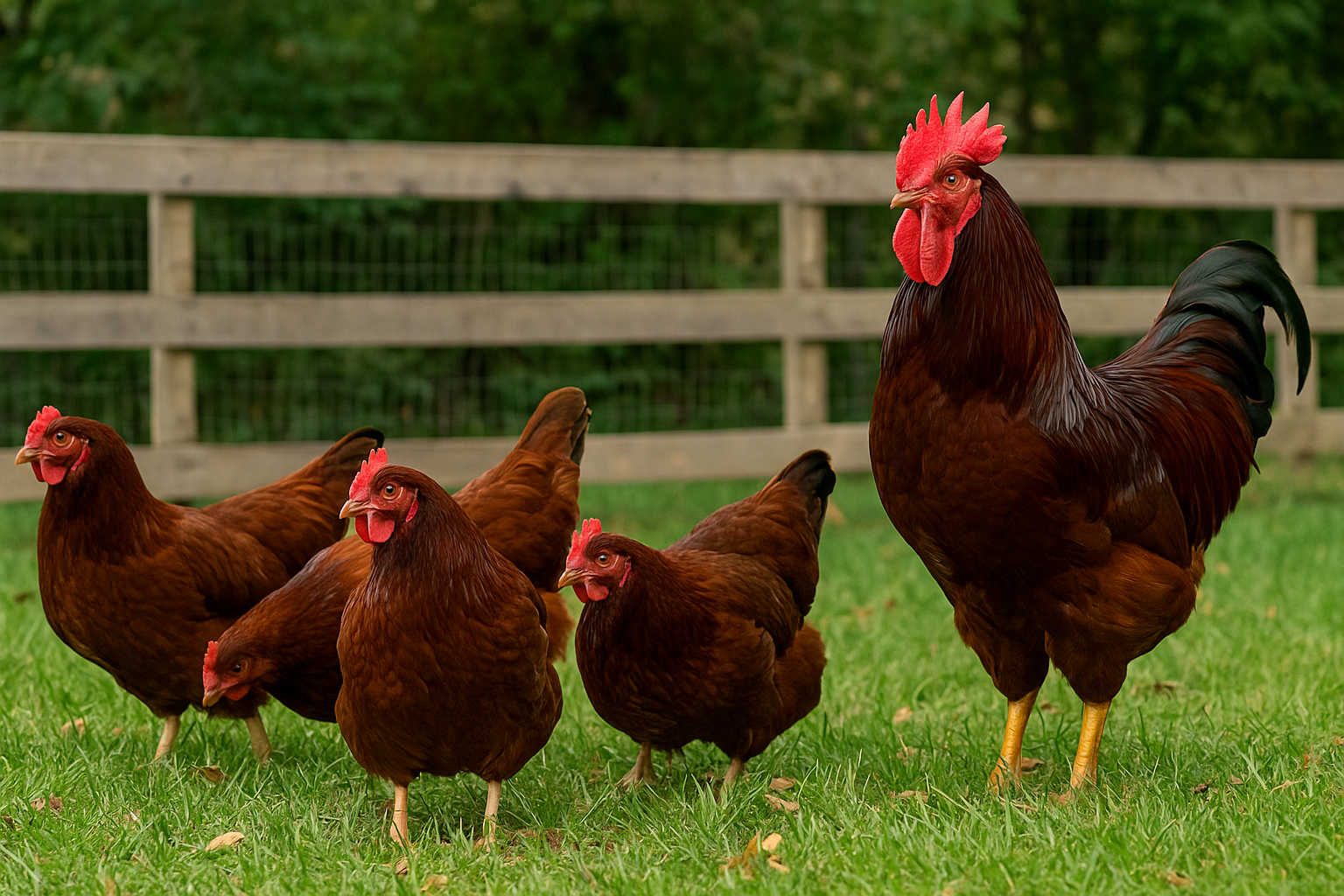

Raising geese can be an absolutely enjoyable and productive activity. Here are our tips on how to do it best and a few notes on these beautiful animals.
1. Geese
Domestic geese are anseriform birds that are generally derived from two distinct species. The common goose is derived from the wild gray goose (Anser anser), from which most of the geese breeds historically present in Europe are derived. The swan goose (Anser cygnoides), native to Siberia and East Asia, is then bred. Common geese interbreed with swan geese and these crosses are fertile, so it is not uncommon to see groups of hybrids with intermediate characteristics between the two breeds.

2. Geese breeds
In Italy there are several breeds of geese adapted to the local climates and the needs of farmers. Knowing them is essential to choose the one that best suits your goal: meat production, eggs or simple company.
Here are some breeds of geese:
- Romagna Goose (or Italian Goose, or Roman Goose) – Widespread in Emilia-Romagna, it is a medium-sized breed, with a docile character and excellent productivity. It produces up to 115 large eggs a year and has a tasty meat, appreciated in traditional cuisine.
- Toulouse goose – Of French origin, it is a large meat breed, which reaches high weights (up to 12 kg and more). There are both an agricultural variety, smaller, and an industrial variety, heavier.
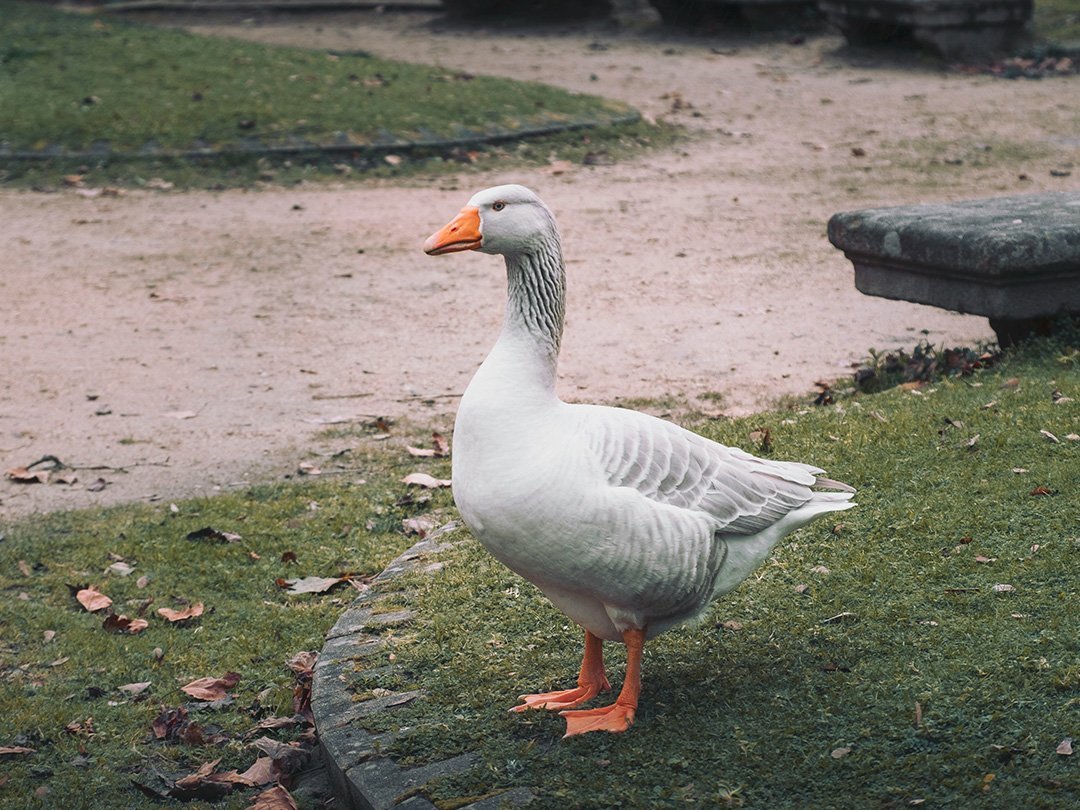
- Paduan Goose – Originally from Veneto, it is a rustic and vigorous breed, with gray plumage and an orange beak. Excellent for both meat and egg production. It adapts well to outdoor living and grows quickly. It reaches 6-8 kg in weight in males.
- Lomellina goose – Once widespread in Lombardy, of small size (5 kg in males), it is white with irregular sizes. Recently she has returned to the news after years of oblivion.
- Venetian Spotted Goose – Typical of the North-East, it stands out for its rusticity and ability to adapt to cold climates. It is a good grazer and requires little dietary supplementation. White with a dappled gray color, it lays up to 100 eggs a year.
- Bell Goose – Originally from Campania, it is a rare breed recently recovered. It includes medium-sized animals (male about 6 kg, female about 4.5), white with irregular gray sizes.
Choosing the most suitable breed depends on the space available and the purpose of the breeding. All Italian geese share a remarkable resistance, a quiet nature and a good ability to graze freely.

2. Space and shelter for geese
Geese can also be kept in pairs or better in trios (1 male, 2 females). They love to live outdoors so you need a spacious enclosure with grass, shade and water. Ideally, you should provide at least 20 m² of pasture per head.
The night shelter to raise geese must be dry, well ventilated and protected from predators. It can consist of a simple low canopy sheltered on three sides and open to the south. On the bottom, you can use clean straw or wood chips, which should be changed regularly. No perches are needed, and a maximum density of 2 animals per square meter should be maintained.
It would be important in breeding geese to provide a tank or small pond where they can wash – geese love to swim and keep their plumage clean. Good space management contributes to their well-being and egg quality.

3. Feeding the geese
Geese are herbivorous animals and feed mainly on grass, clover, and vegetables. However, for balanced growth, it is useful to supplement the diet with specific feeds or cereals such as corn, barley and oats.
In addition, they must always have clean water available, because they drink often and use it to wash their beaks after each meal. Adult geese will need about 250 g of feed and 700-800 g of fodder per day.
The use of
4. Reproduction and hatching
Geese begin to lay their eggs between February and April. The female lays 10-15 eggs per cycle and incubates them for about 29-31 days.
During hatching, it is important to ensure tranquility and a clean nest. Not all breeds show a good brooding instinct! If you want to increase hatching, artificial incubation can be used, keeping temperature and humidity controlled.
The small geese, called goslings, grow quickly and must be protected from the cold in the first few days, providing a heating lamp and fresh water always available.
5. Geese Health and Care
Geese are generally hardy, but good prevention is key to avoiding problems.
It is important to keep the shelter clean, change the bedding regularly, and disinfect feeders and drinkers. A hygienic environment reduces the risk of intestinal parasites and respiratory infections. Also prevent wild birds, especially waterfowl, from having access to the geese spaces and ponds.
Observe your animals’ behavior regularly: a healthy goose is lively, eats well, and has clean, shiny feathers.
Conclusion: Raise happy geese with the right accessories
Now that you know how to raise geese, you can start your own small home farm with peace of mind. Remember: daily care and the right accessories make all the difference!
Choose quality feeders and drinkers produced by our company — designed to guarantee hygiene, resistance and practicality.
Visit our website and discover the complete line of accessories for farmyard animals: everything you need to raise healthy, happy and productive geese!