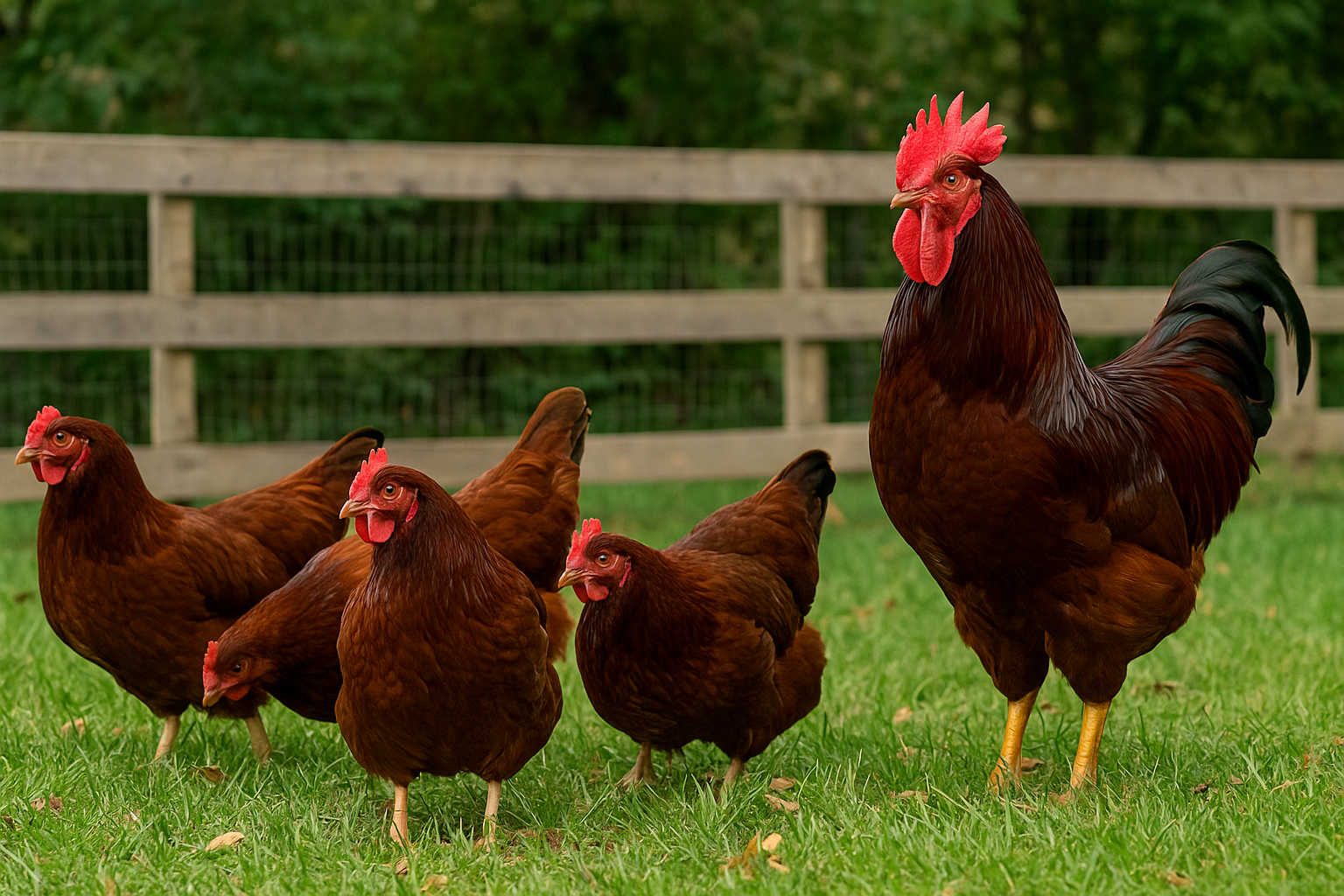

Raising chicks can be an exciting and rewarding experience, but it requires attention, care, and some fundamental knowledge. In this guide, we’ll explain everything you need to know about how to successfully hatch, grow, and integrate chicks into your coop.
Egg incubation: natural or artificial?
The first step in raising chicks is hatching eggs, which can be done in two ways:
Natural incubation (with the hen)
If a hen appears in the coop, i.e. if a hen decides to start incubating, you can leave 6 to 12 fertile eggs (depending on the size of the hen), in a quiet and protected nest, isolated from the rest of the coop. The incubation period lasts 21 days, during which the hen will only get up briefly to eat and drink. If she does not do it yourself, you will have to get her up from the nest yourself to meet her basic needs.
Artificial incubation (with incubator)
If you don’t have a brooding hen, you can use an automatic incubator. We have already seen how to successfully hatch eggs with artificial incubation in this article. Set the temperature to 37.8°C and humidity to 45-50%, increasing to 65-70% over the past three days. The eggs should be turned several times a day until the 18th day, while in the last 3 days they should be left still to allow the chick to position itself correctly before hatching.

The first days of life of chicks
As soon as they are born, the chicks remain for 24 hours in the incubator or under the hen to dry completely. Then you can transfer them to a heated and safe area (called a “brooder” or “pulcinaia”).
✅ What you need:
- Heating lamp (or alternatively artificial hen): the temperature should be kept at 35°C the first few days, then slowly lowered to about 20°C around 20 days of age.
- Absorbent litter: dusted wood litter, absorbent paper for food, never newspaper)
- Feed for “first period” chicks, rich in protein (22-23%)
- Fresh, clean water always available, in low, safe drinking troughs
Weaning: when and how?
The actual weaning takes place around the 5th-6th week, when the chicks begin to develop full plumage and can withstand lower temperatures.
At this point you can then:
- Switch to a “second period” feed with less protein (18.5%)
- Reduce heating gradually until it is eliminated altogether
- Increasing the space available, which is very important for a balanced growth of children
At this point, the chicks are ready to explore a larger environment, perhaps even an outdoor enclosure (if the weather allows).

Integration in the chicken coop: how to do it safely
Never place chicks directly in the coop with adult hens. Due to the strict hierarchy of the chicken coop, the risk of aggression by adult chickens is high, especially if the chicks are particularly young.
Here’s how to do it:
- Flanking: Place the 2-3 month old chicks in an enclosure adjacent to the coop, visible but separated.
- Introduction: Let the chicks loose with the hens only for short periods, in large groups. Never insert only 1 or 2 chicks at a time.
- Permanent insertion: after 2 weeks of progressive cohabitation, you can leave the chicks together with the adults without problems.
Conclusion
Raising chicks requires dedication, but it offers enormous satisfaction. By following these steps, you can grow healthy, robust animals that are well integrated into your chicken coop. Whether you start with an incubator or a hen, every chick is a new adventure. And always remember that Novital is by your side from start to finish on this journey, from incubation to weaning of chicks, with many dedicated products that you can find in our store. Happy breeding!