Mice and rats are usually unwelcome roommates that every farmer has learned to have to endure or has been forced to clash with, sooner or later. But are we sure we really know what the characteristics of these animals are? So here is the opportunity to learn, with ten questions and their answers, something more about these animals
- What are the active species in Europe?
The main species present in Europe are Rattus norvegicus (sewer rat), Rattus rattus (black rat, roof rat) and Mus musculus (house mouse).
- Where do they lurk, what are they attracted to?
Rats love to hide, where there are piles of household goods, goods and various objects stacked in a disorderly way in narrow spaces. Dirt and poor hygiene contribute to creating an ideal habitat for this uncomfortable tenant. Depending on the species, these rodents will prefer to dig underground holes or will move in search of height, preferring attics, roofs, barns… In urban and peri-urban areas, on the other hand, they will take refuge in embankments, in piles of waste, in rubble, in garden beds, in poorly maintained warehouses, in sewer structures, in the interstices of the walls of the house or floors.
- How do they communicate with each other?
Communication between the specimens takes place through the sounds they emit (often imperceptible to the human ear), called squeaks; Rats often release oily substances that allow other members of the group to receive information and at the same time act as a deterrent for other specimens outside the family clan, as these substances are often used to mark the territory.

- What do they eat?
Very simple answer: the rat is omnivorous, it feeds on anything and what it does not eat it gnaws at it, contaminating it. The rodents’ habit of digging and gnawing causes water to infiltrate sewers, damage to electrical cables, pipes, gutters, etc. Plastic, wood, concrete, and even lead are prone to gnawing, as they allow animals to file down teeth that would otherwise grow out of proportion.
- When and how do they act?
These animals are active at all hours, but have peaks of activity mainly after sunset, they move during the day in special cases, such as when disturbed or in case of lack of food. They are incredibly adaptable animals, modifying their habits and behaviors according to needs or circumstances. Rats generally live in mixed groups including numerous specimens of both sexes. Among males there is a rigid hierarchy, which translates into greater or lesser access to food. Even among females there is a hierarchy, in particular there are always two or three of them who are dominant over all the others belonging to the group, with the exception of the dominant male. It should be noted that the social order is defined according to the most aggressive individuals, who end up playing the dominant role; the weakest are killed or forced to migrate.
- How to notice their presence?
The presence of a rat is manifested through biological traces scattered along the usual paths, such as droppings, oily stains, characteristic smell, rodents on materials and packaging, food consumed, hair… These are all signs of an unwelcome guest for whom measures must be taken.

- What dangers do they pose to humans?
Rats and mice are species of particular health interest, as vectors of numerous diseases as well as causing damage to infrastructure and foodstuffs. Rats dig and gnaw causing damage to irrigation systems, rainwater collectors, homes, warehouses… By gnawing on electrical cables, they even cause short circuits with fire hazards or various malfunctions. They devour foodstuffs and contaminate them with their secretions.
- What place do they occupy in the food chain?
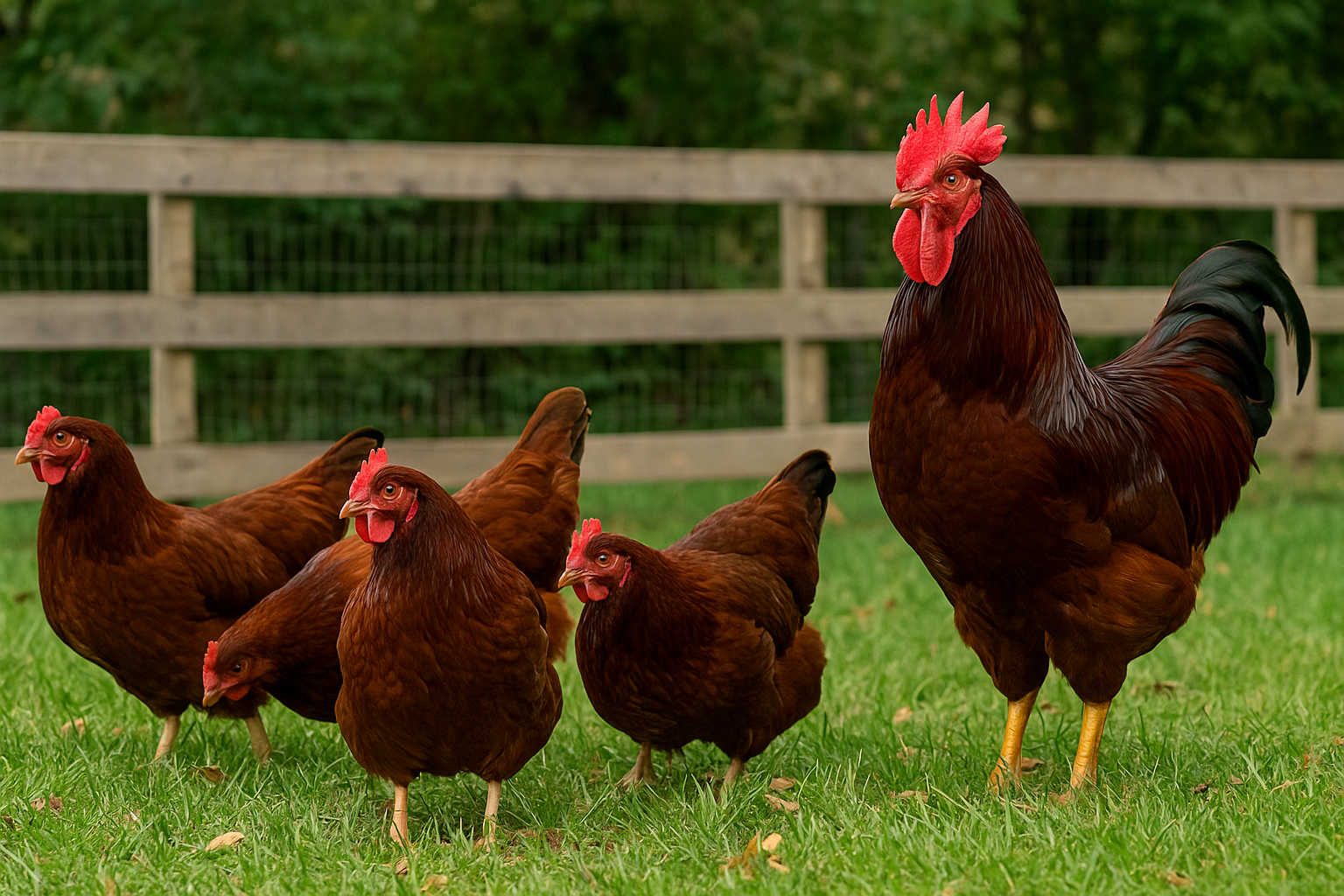
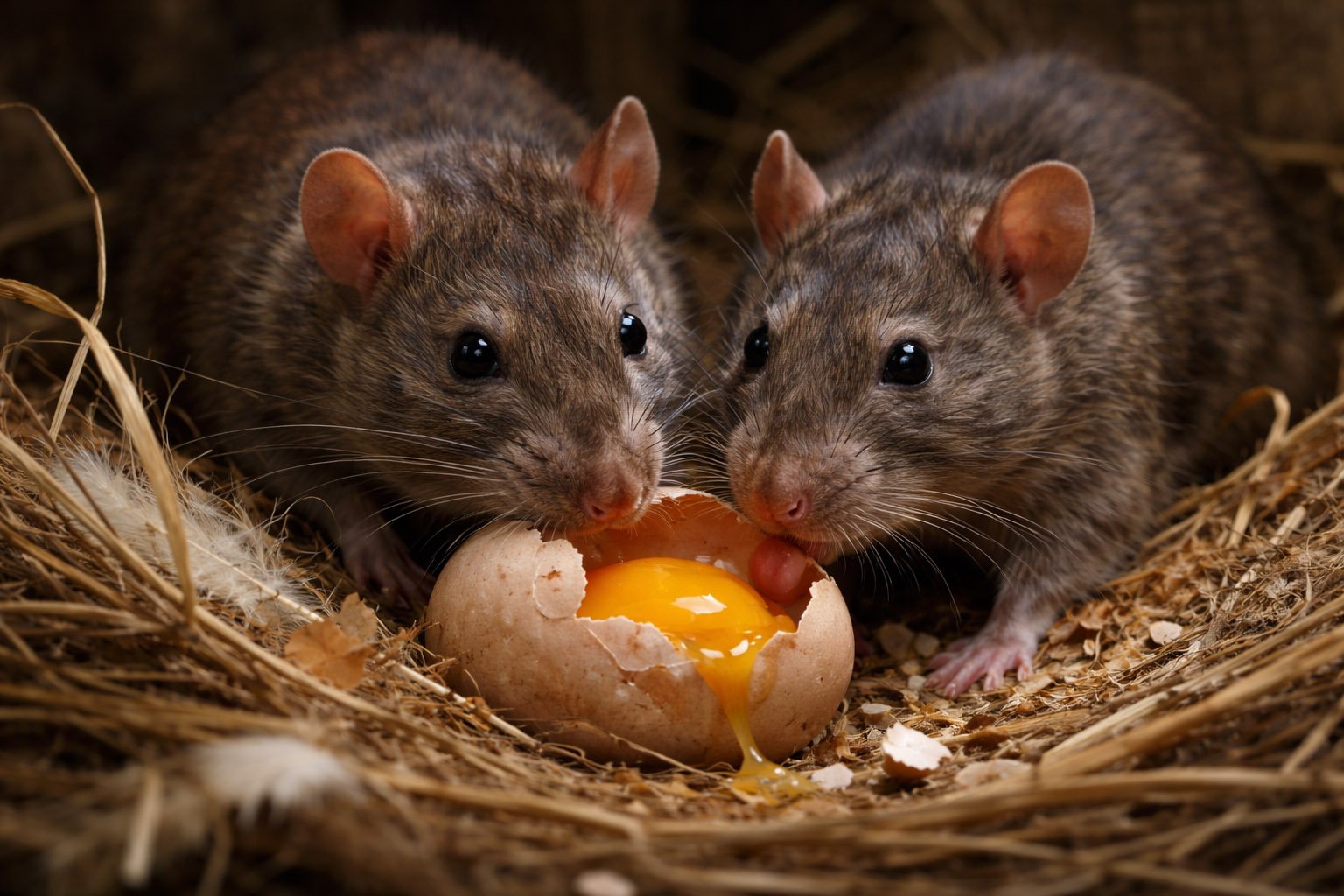
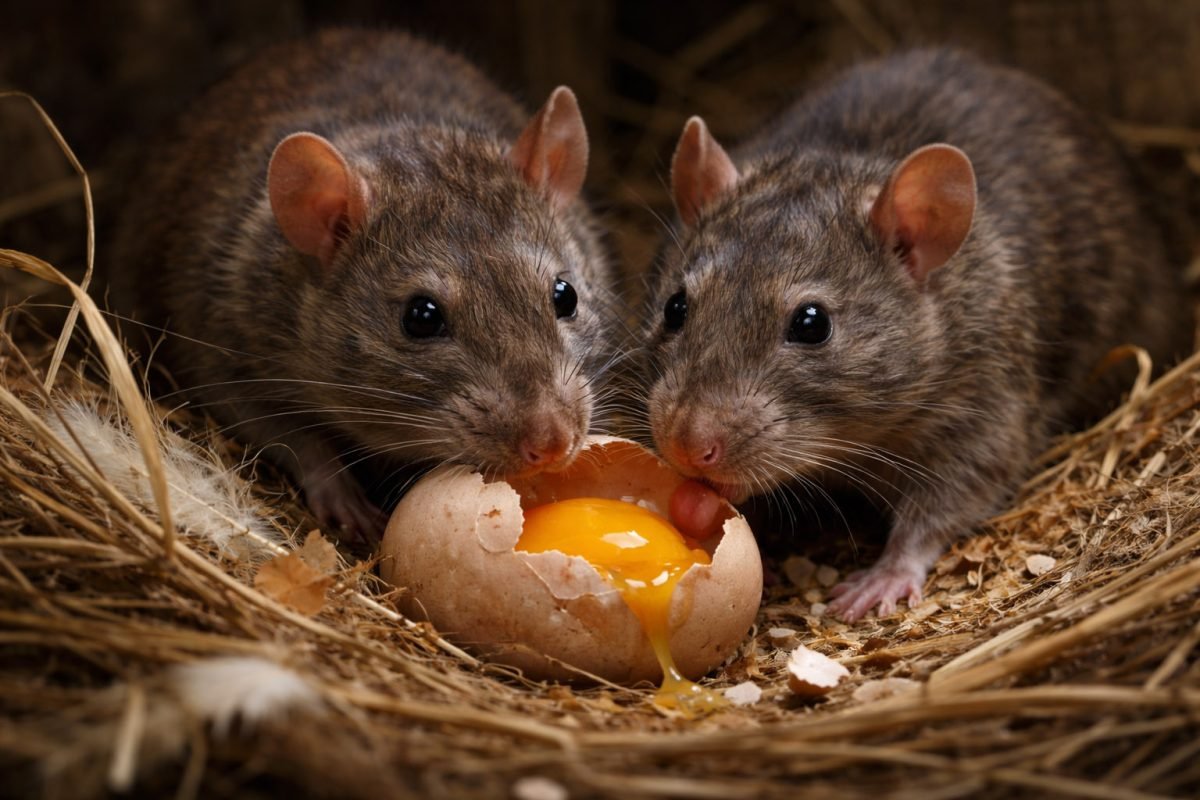
Micromammals in general, such as mice, represent the typical ‘prey animals’ and constitute an important link in some food chains. They are important for snakes, birds of prey, corvids and other large birds. They can represent a high protein value supplement for some lizards (large geckos, lizards or chameleons) to both aquatic and terrestrial chelons (tortoises, turtles…). They are also an ideal food for the most common medium-sized predators such as dogs, cats, ferrets. Large rodents such as rats, however, can actively prey on small animals, such as chicks and chickens, and steal eggs from nests. In particular situations they can also get the better of adult roosters and hens, of which they usually devour the head, neck, chest.
- How to control the demographics of these animals?
Humans can reduce and limit the proliferation of rodents by permanently eliminating their food, water and shelters. Intelligent and responsible behaviour in the management of municipal waste is a deterrent to the development of rat colonies. It should be noted how important the relationship of competition is both between members of the same species and between two or more species, a factor that in some cases has led to the prevalence of one species over another (e.g. Rattus norvegicus, being very competitive, in some areas has replaced the presence of the other species, where previously they coexisted). The main method of control is therefore the permanent alteration of the physical environment preferred by them: by modifying it and increasing predation and competition, pressure is created on the population that leads to higher mortality and a drop in births. Environmental remediation and proper hygiene are fundamental requirements.

- How to capture them and how to dispose of them?
The main methods of capture are mechanical, repeating or single traps and repellents; Another interesting option is ultrasonic rat rat removers, which are harmless to pets and humans. In cases of major infestations, you may be forced to use toxic baits, anticoagulants or glues. There are various types of equipment on the market to be used depending on the problem you are in. Once captured, the rat (if alive) must be released in a place considerably distant from houses, inhabited centers, possibly in the open countryside; Otherwise it is important to have the so-called PPE (Personal Protective Equipment), and eliminate the carcass according to the regional regulations in force.
Novital has always paid attention to the fight against these unwanted guests of your farms. In our catalog you will find traps of different types to capture mice, rats, moles and other small mammals alive, as well as our new multi-frequency electronic rodent remover. Happy breeding and don’t forget to always protect your animals!