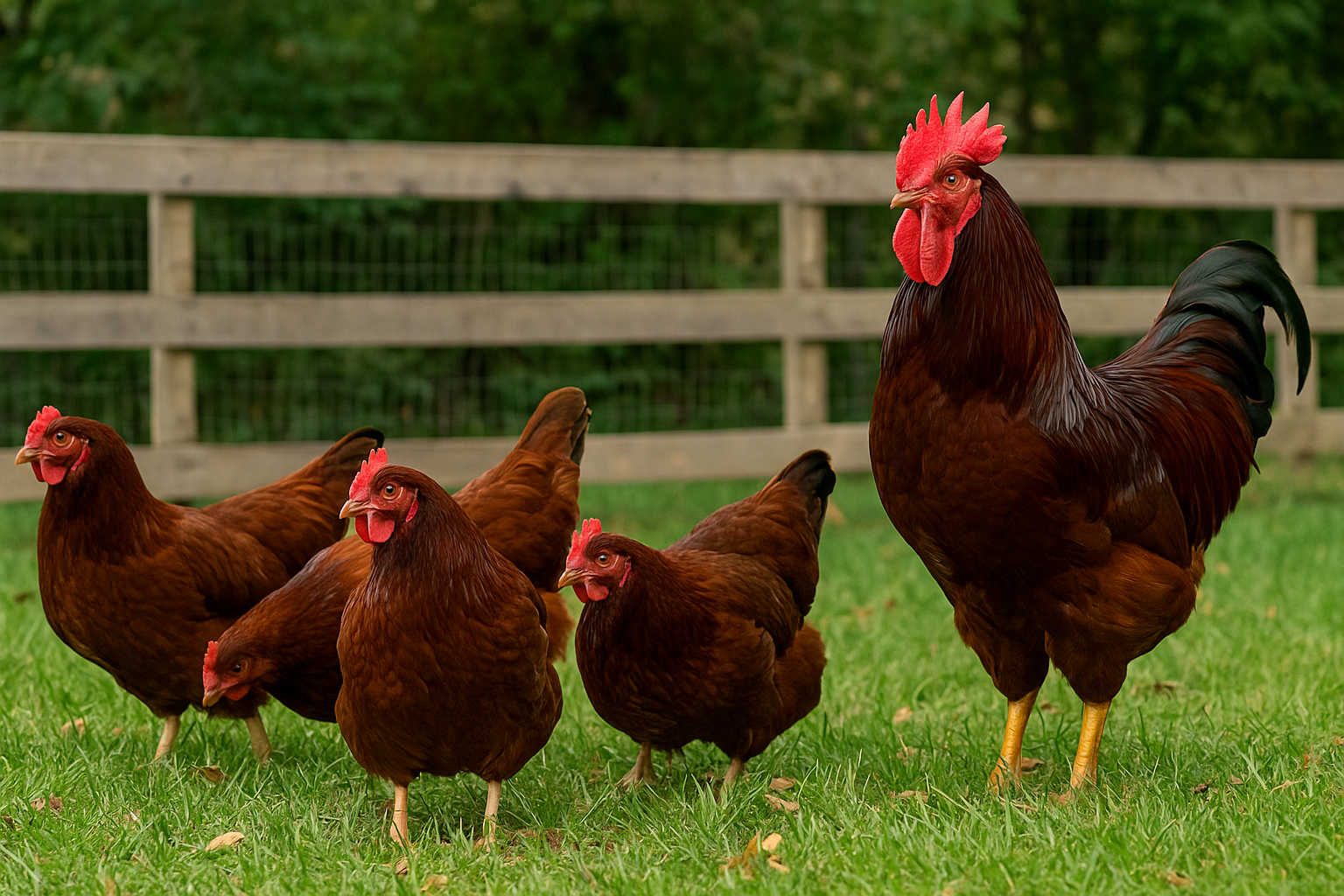
How does the chick develop in the egg? You may have already asked yourself this question in the past, thinking about how from an egg laid by the hen you see a beautiful and very soft chick hatch after 21 days of incubation (natural or artificial).
We have already talked about how the egg is produced from the hen; Today we are going to tell you about how the chicken embryo develops day by day inside the egg.
How does the chick develop in the egg? You may have already asked yourself this question in the past, thinking about how from an egg laid by the hen you see a beautiful and very soft chick hatch after 21 days of incubation (natural or artificial).
How the chick grows in the egg
How does the chick develop in the egg? You may have already asked yourself this question in the past, thinking about how from an egg laid by the hen you see a beautiful and very soft chick hatch after 21 days of incubation (natural or artificial).
We have already talked about how the egg is produced from the hen; Today we are going to tell you about how the chicken embryo develops day by day inside the egg.
It all starts with fertilization, which takes place in the hen’s body about 24 hours before laying the egg. But the egg cell will remain dormant for days, after laying, until it is provided with the right energy in the form of heat, thanks to the body of the hen or through an incubator. Once the incubation process has begun, this is how the chick develops over the next 3 weeks.
Day 1: The first embryonic tissues begin to appear, due to cell division.
Day 2: Tissue development is very visible. The first blood vessels appear that will nourish the embryo.
Day 3: The heart forms and starts beating. Blood vessels are very visible.
Day 4: The eyes appear and show traces of pigment.
5th day: elbows and knees appear in the outlines of the limbs.
Day 6: The beak begins to form. Voluntary movements begin.
Day 7: Ridge growth begins. The so-called “egg tooth” appears.
Day 8: Feather areas of the skin appear. In the beak, the upper and lower parts are now of equal length.
Day 9: The embryo begins to resemble a bird. Mouth opening occurs.
Day 10: Prominent egg tooth. Visible toenails.
Day 11: The ridge begins to serrate. The first tail feathers appear.
Day 12: The toes of the paws are fully formed. First visible feathers.
Day 13: Scales appear on the tarsiers. Body slightly covered with feathers.
Day 14: The embryo turns its head towards the dull end of the egg.
Day 15: The intestine is withdrawn into the abdominal cavity.
Day 16: The feathers cover the body completely. The egg white has almost disappeared by now.
Day 17: Amniotic fluid decreases. The head is positioned between the legs.
Day 18: The growth of the embryo is almost complete. The yolk sac remains outside the embryo. The head is under the right wing.
Day 19: The yolk sac recedes into the body cavity. The amniotic fluid has almost disappeared. The embryo takes up most of the space inside the egg (but not that of the inner tube).
Day 20: The yolk sac is completely absorbed into the body. The embryo becomes a chick (and begins to breathe through the lungs, thanks to the inner tube). The chick begins to peep.
Day 21: The chick is now ready to be born. With the “egg tooth” he breaks the shell near the obtuse pole, then (after resting a few hours) a circular opening continues to open. In the end, finally, having dropped the obtuse pole of the egg, the chick finally comes out! It will take a few hours (up to 24) for the soft duvet that covers it to dry perfectly.
And here is in this video from Poultry Hub Australia what happens in the egg:
Conclusion
We saw together the 21-day journey that leads to the birth of a chick; This journey will be the same whether the incubation takes place through the hen or through artificial incubation. Remember that we at Novital are by your side with our line of Covatutto incubators, suitable for the most diverse needs, easy to use and practical! Happy breeding!